

The Fixed-Lens Comeback, 17mm Tilt-Shifts, & Panama's Biomuseo
PLUS: Stop overpaying for memory cards

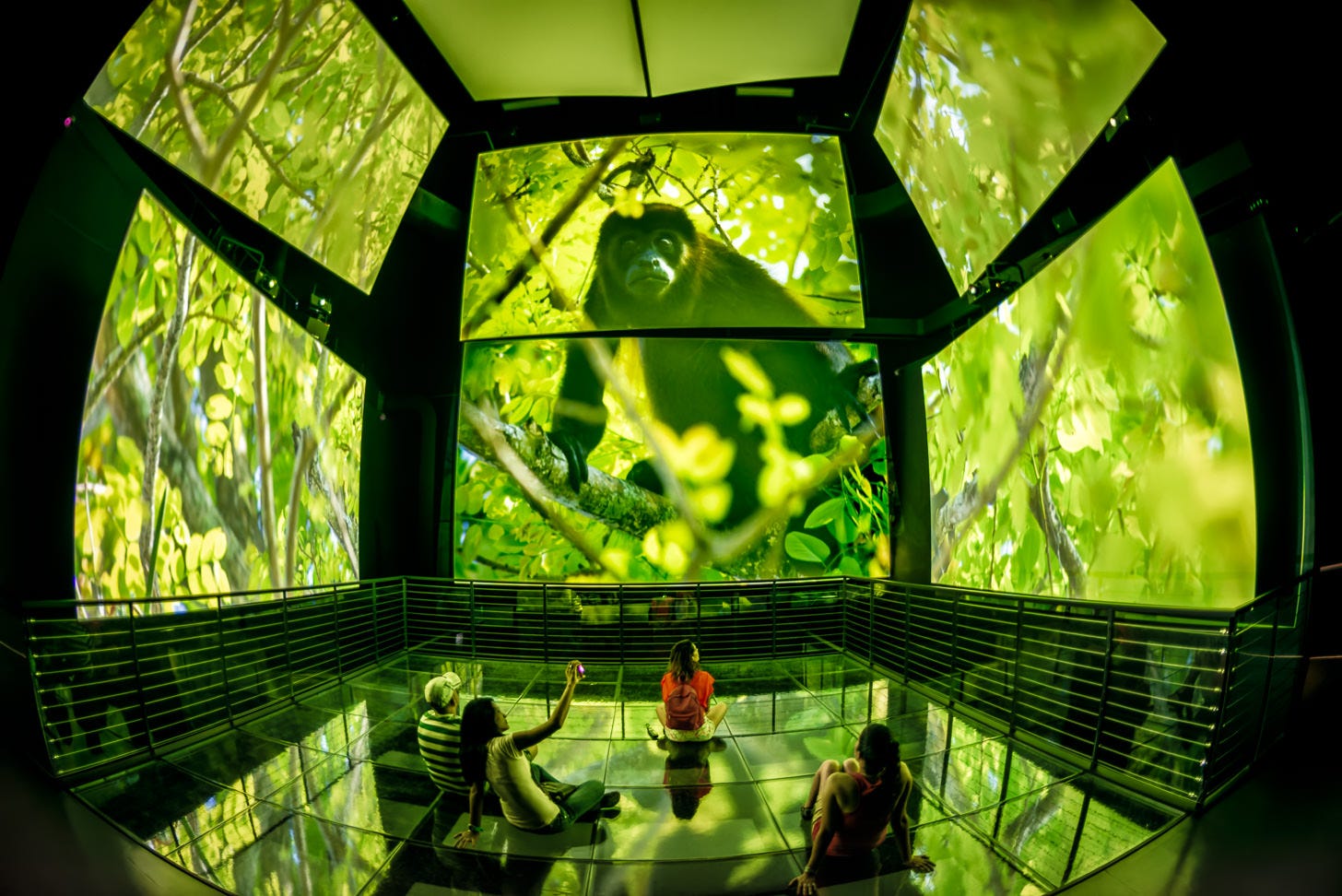
We’re finally getting some spring! Which means lots of photos of cherry blossoms for me. In the sunshine. In the rain. And yes, even in the snow.
Wide Angle
The surprising rise of the fixed-lens compact. It’s not your imagination — compact cameras really are surging. After almost being killed off by smartphones, data suggests that their comeback is fueled in part by people wanting something with a much more traditional camera feel. No wonder Fujifilm and Ricoh have been so confident jacking up their prices on cameras like the Fujifilm X100VI and Ricoh GR IV.
The 17mm tilt-shift double-take. Oddly, two 17mm f/4 tilt-shift lenses have been released almost simultaneously in the past week. They’re from third-party lens makers TTArtisan and Laowa. And no, they’re not just rebranded versions of each other — they’re entirely different optical designs. Tilt-shift lenses are definitely niche offerings, but if you’re shooting architectural work, these are pretty interesting options to have available rather than the big-ticket versions from Nikon and Canon. The Laowa sounds particularly interesting to me, and I’m looking forward to trying it out. [TTArtistan / Laowa]
The end of stitching 360 drone footage. DJI’s upcoming Avata 360 captures native 8K spherical video, completely eliminating the massive bottleneck of manually stitching clips at the desk. Crucially, it cleared FCC approval right before the new US ban cutoff, making it likely the last new DJI drone American pilots can actually buy.
DxO PureRAW 6 is now out. I’ve been using it now for a few weeks, and the results can look like magic on high-ISO images, especially from older cameras. And they’ve addressed the file bloat when creating the new DNG versions.
Lightroom Classic gets a culling upgrade. The upgraded Assisted Culling tool now automatically detects and flags closed eyes in group shots, which is a massive time-saver for high-volume event and wedding work. It also finally adds native support for WebP files.
Protecting the work while evolving the business. The photographers’ trade association ASMP is officially backing the “No Artists / No Art” campaign to fight AI portfolio scraping, while simultaneously publishing a fantastic blueprint for updating our daily business models. If you’re feeling the friction of the endless hustle for one-off gigs, their guide on shifting to a “creative partner” role to landing recurring revenue is well worth your time.
Photographers at Work
A masterclass in long-term focus. South African visual activist Zanele Muholi just took home the 2026 Hasselblad Award for decades of work documenting Black queer visibility. Their black-and-white portraits are stunning.
One of my favorite photographers, Ovidiu Selaru, has just published a new book of his street photography in London. It’s called, appropriately enough, London in Frames. I don’t have a copy yet, but I just know it’s going to be stunning. And if you’re not following him on Instagram, I highly recommend checking out his work.
Why you probably don’t actually need the fastest memory card you can buy
This might sound a bit odd coming from someone who has invested a lot of time and money in speed testing memory cards, but the reality is that your camera probably doesn’t need the fastest memory card you can buy.
Memory cards are getting more and more expensive all the time. Lately, demand from the AI industry has been pushing the price of flash memory up, which is in turn driving memory card prices higher.
But you’re going to need memory cards for your camera — you’re not going to be taking many photos or shooting much video without one. This is a place where smart buying can save you real money. The key is to not overbuy.
A fast memory card sounds like a good thing. And it is. But you don’t necessarily need the absolute fastest memory card on the market.
You just need a card that’s fast enough for your specific camera. Sure, there are cameras where you do need that blazing fast speed for high-bitrate 4K or 8K video or long RAW bursts. But most cameras just don’t.
If you buy a card that outpaces your camera’s internal tech, it will still work -- backwards compatibility is built in with most memory card standards. But it also means that you’re paying a massive premium for bleeding-edge speed that your camera physically can’t take advantage of.
So it’s important to first take a close look at your camera’s specs and requirements. If your camera has a UHS-I SD slot, putting a more expensive UHS-II card in it will not give you any better performance in the camera (it might give you better performance offloading the photos to your computer, but only if you have the right type of memory card reader). And if your camera only needs a V30 SD card, there’s really no point forking out the big bucks for a V90 card.
There’s a reason, after all, that I’ve gone to quite a lot of effort to put together my memory card recommendations for specific cameras. Because anyone who gives you blanket advice to just buy the fastest memory card you can is just wasting your money. What you want instead is a memory card that’s fast enough.
I have a more detailed post on this here.

Real Deals
Sony a7R V - $900 OFF. A whopping discount on this pretty incredible camera. And B&H’s kit ($3,298 for the body) includes a ThinkTank Retrospective bag, a spare battery, and a fast memory card (and since it's a high-res, 61MP beast, this is one of those times you actually do want that fast memory card I just talked about).
Think Tank camera backpack - $83 OFF. I have more than a few Think Tank bags and cases — okay, maybe too many, truth be told — and they’re consistently excellent. This is the BackStory 15 ($170). There’s also a slightly smaller version, the BackStory 13 ($150).
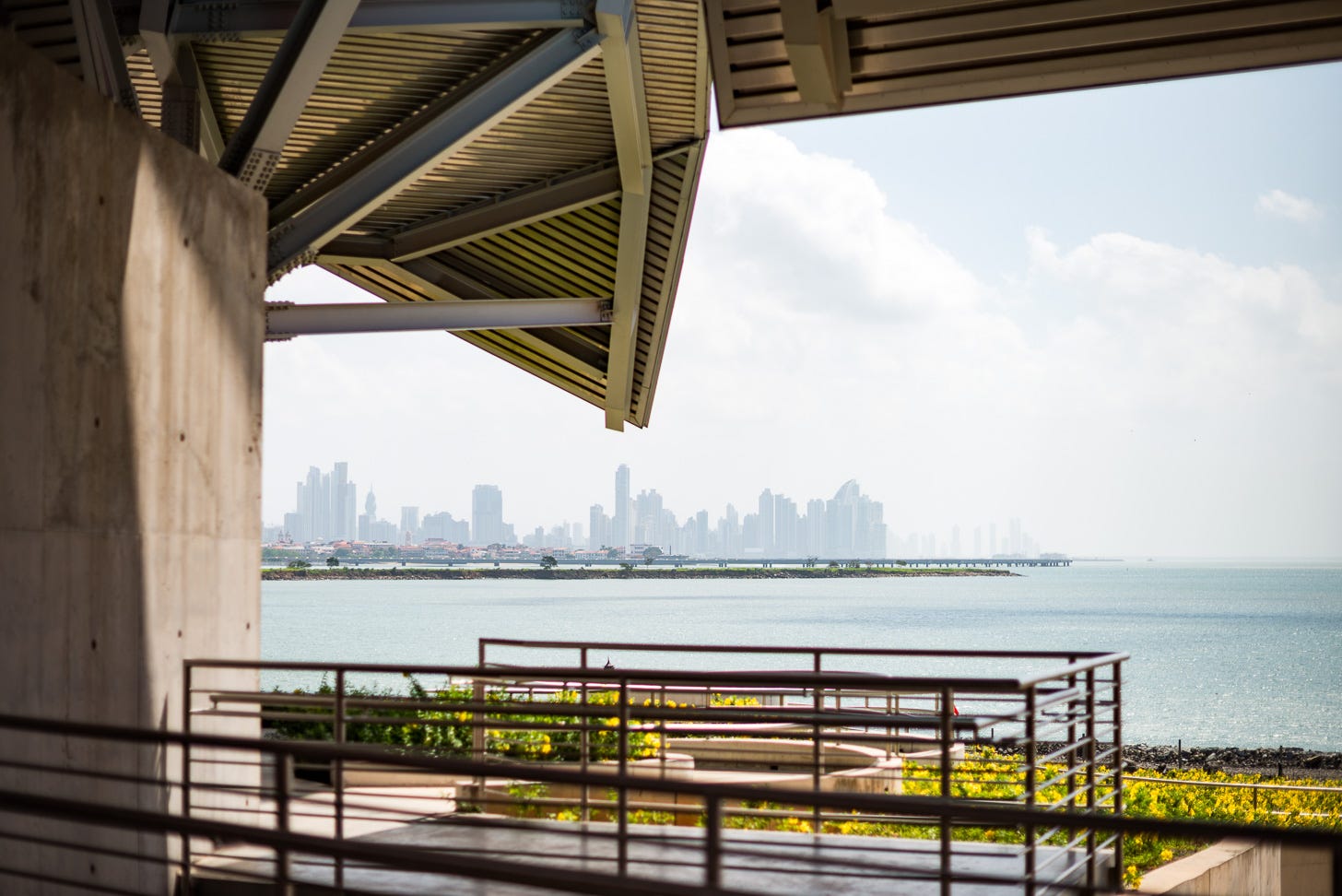
Want to Visit Panama City’s Biomuseo?
Some more photos of the Biomuseo, along with travel tips for getting there.