

sRGB or Adobe RGB? Does it matter which color space you set your camera to?
Plus: New Nikon 70-200mm; a filter to emulate film; and new photography tools coming soon.

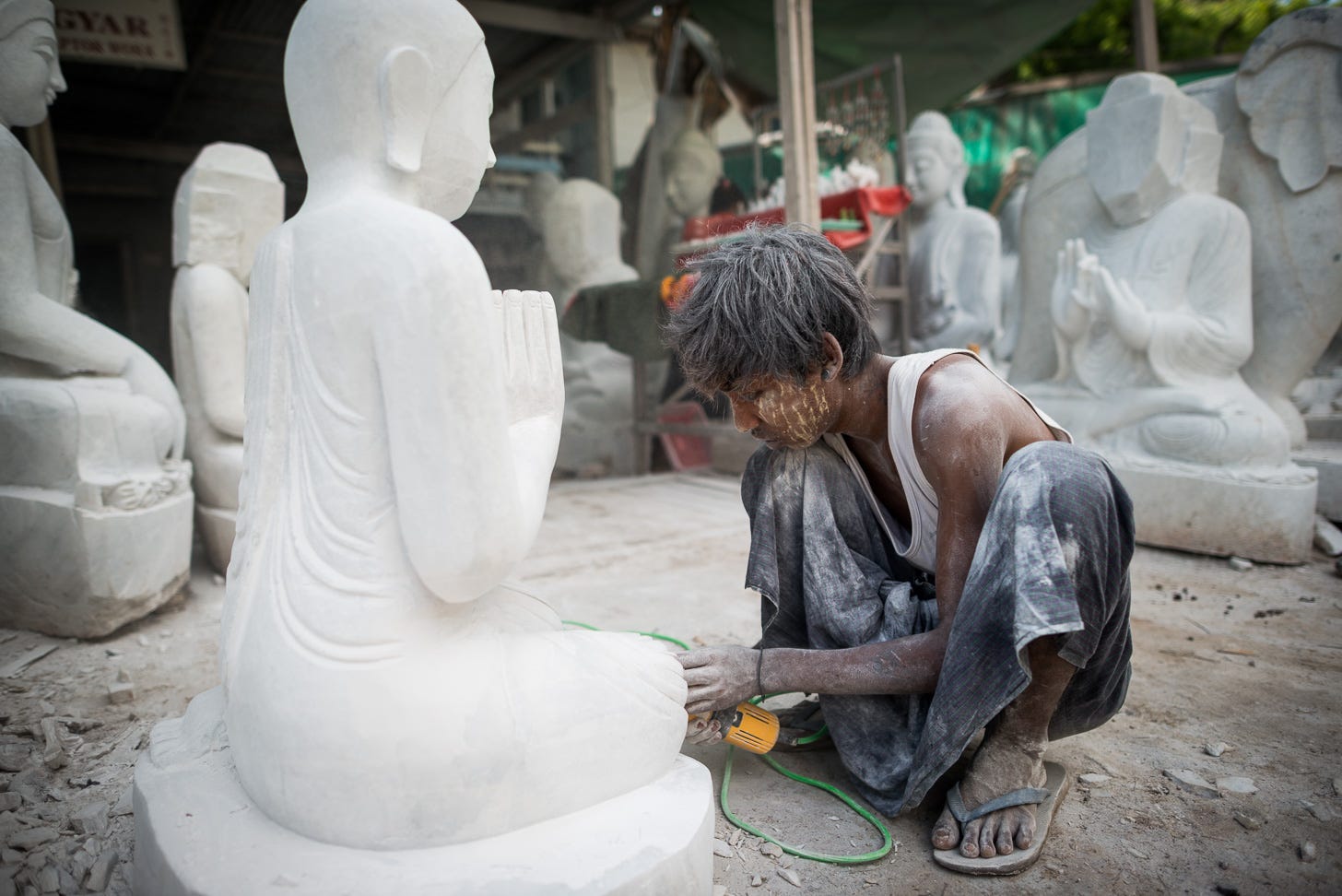
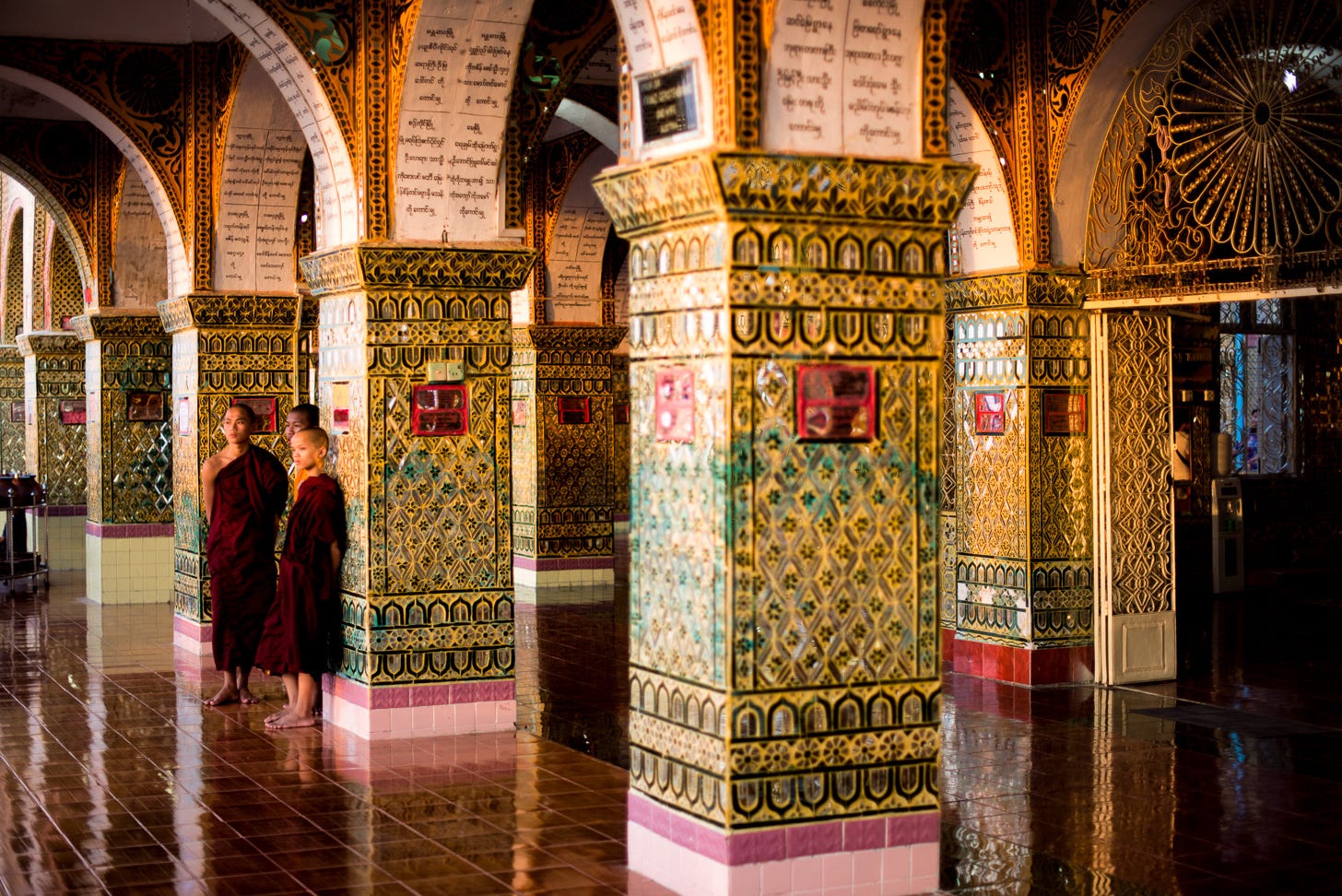
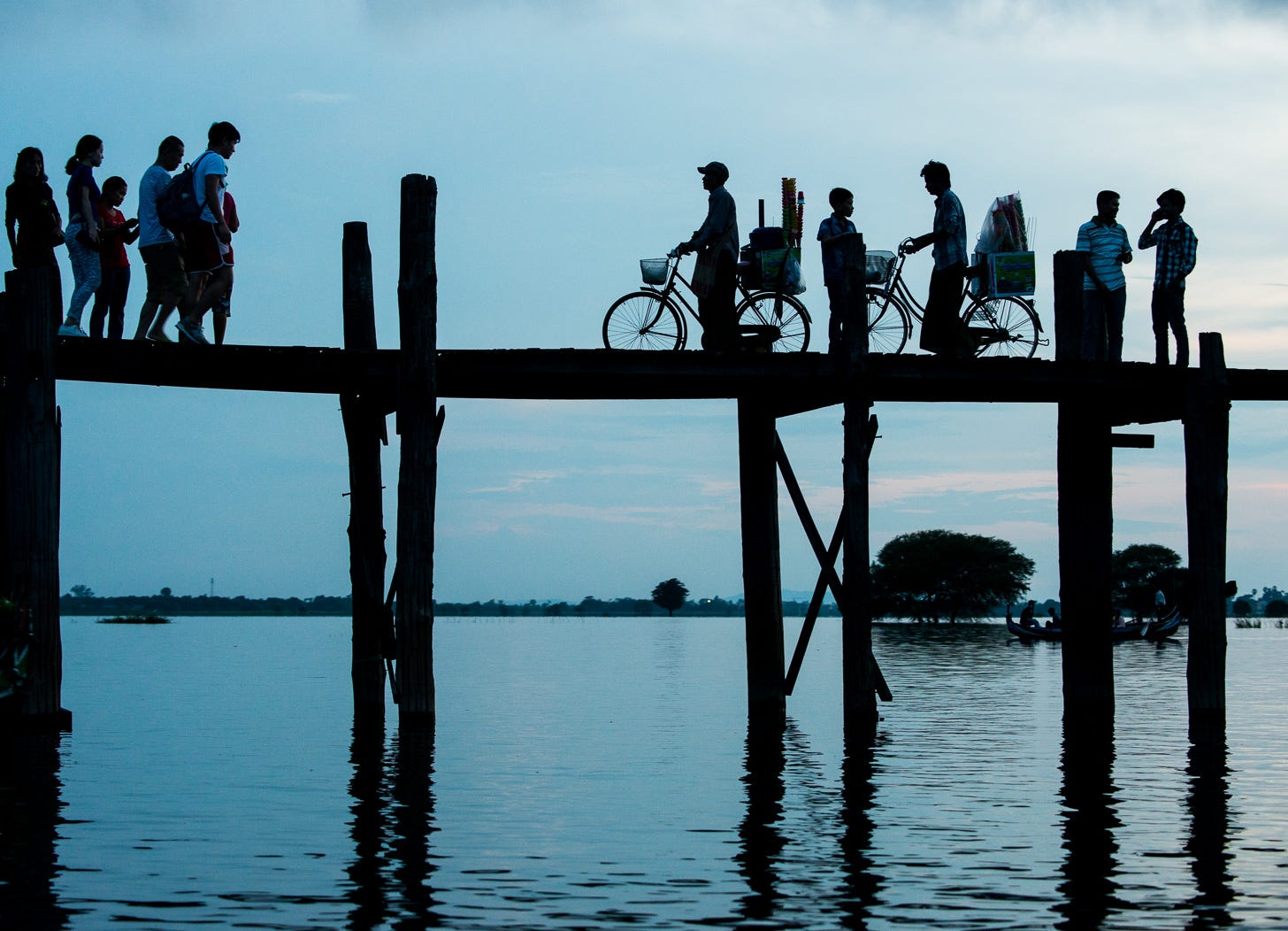
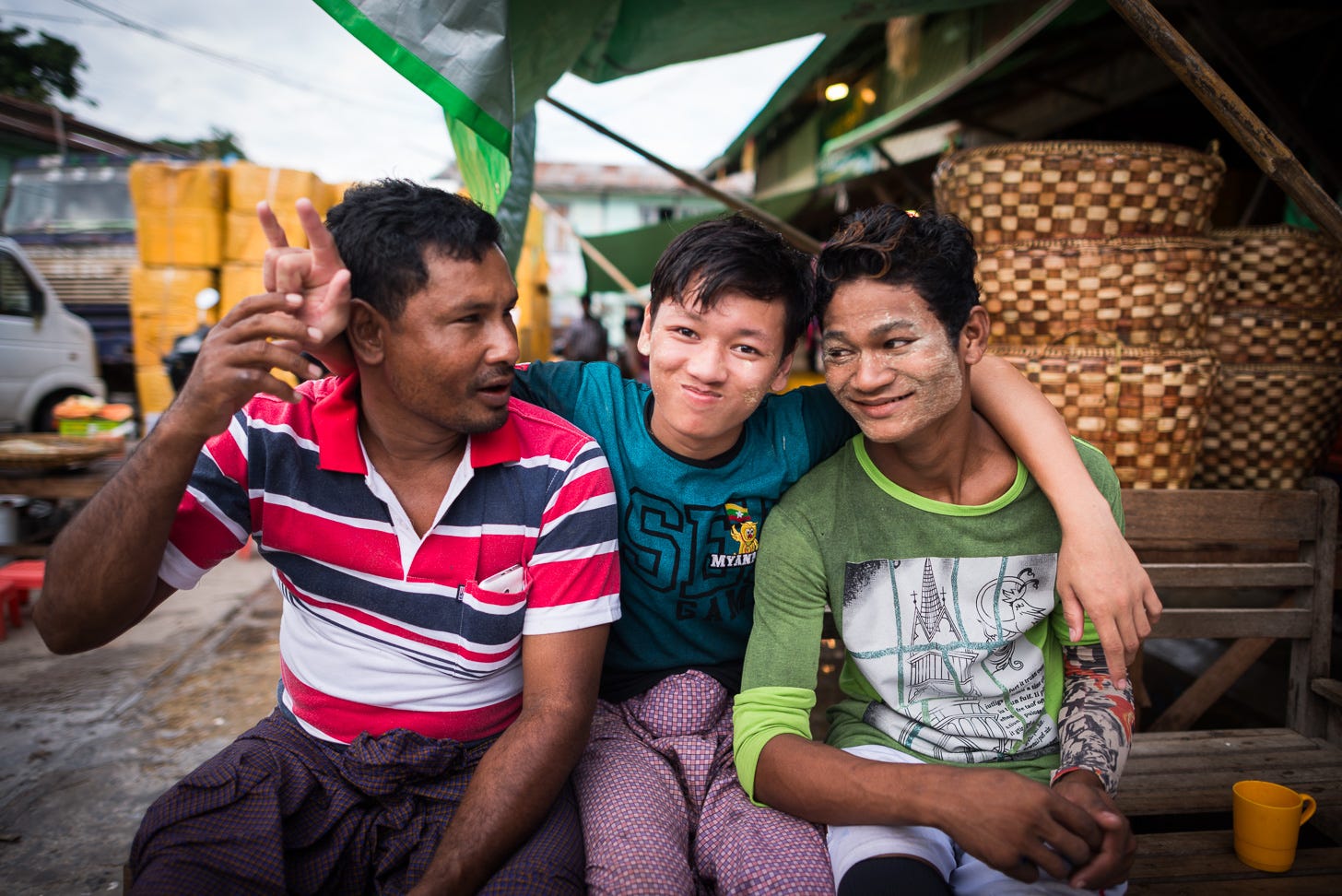
I was reading something interesting about Myanmar (formerly known as Burma) recently and thought I’d share a few shots I took when I was there about 10 years ago, before the military coup.
When you set up your camera, you probably noticed that you have a choice of two colorspaces. The default is nearly always sRGB. The other choice is nearly always Adobe RGB.
Does it matter which you choose?
Colorspace is a topic that can fill a very thick and technically dense book (like this one). But here’s the plain-English version, focused specifically on which one you should choose when setting up your camera (printing and processing is a whole other rabbit hole).
If you shoot RAW, it barely matters. The color space setting only applies to JPEGs. Your raw file captures everything your sensor sees regardless of which option is selected. So it doesn’t affect the underlying RAW image. (It does, however, apply to the JPG preview that’s embedded in the RAW file.)
But if you shoot JPG, it is more important. For JPEGs, sRGB is the safer option if you plan to share the files online or send them to a print lab. sRGB is basically the universal colorspace that’s used on the web. All web browser and social media platforms can understand it. And all print labs can use it. If you email photos to friends and family, the colors will be fine whether they’re looking at them on their phone or a computer.
Adobe RGB does have benefits in some situations. If you’re working with graphic designers, print magazine photo editors, or higher-end print labs, Adobe RGB will give you a broader range of colors (or gamut) to work with. But even then, it’s mostly relevant to physical print output.
But Adobe RGB comes with a big catch. If you try to share JPGs that have been embedded with the Adobe RGB profile online, on social media, or email them to friends and family, there’s a risk that they’ll look washed out and with muted colors because many apps and platforms — especially social media — strip or ignore the embedded color profile and assume everything is sRGB. In which case, the images will look quite drab. Which is hardly a way to impress. And it can cause a lot of unnecessary confusion with clients when sending them files.
The upshot: If you shoot RAW, it really doesn’t matter much. If you shoot JPEG and want to keep things simple, stick with sRGB. It’s the universal standard. The only real reasons to choose Adobe RGB are if you’re dealing with a client or lab that specifically requests Adobe RGB.
Photography Gear
New Nikon 70-200mm f2.8. Nikon has released a new version of its workhorse zoom: the Nikon NIKKOR Z 70-200mm f/2.8 VR S II. I use the current model, but this new one is smaller, lighter, and faster. There are good reasons this focal length is a favorite of photojournalists and sports shooters, and it takes a key place in the so-called “holy trinity” alongside the 24-70mm f/2.8 and 14-24 f/2.8. It also comes at a pro-level price point: $3200. I’m sure it’s a spectacular lens, although I’m very happy with the existing version as well.
Filter that simulates Kodak Portra 400 film. We’re used to in-camera film emulations. Now PolarPro has added one to the other end of the lens. They’ve created a new lens filter that simulates the look of Kodak Portra 400 film. Interestingly, it’s actually a circular polarizing filter, presumably meaning that the effect can be tweaked as you’re shooting.
Stylish camera bags. If most camera bags look too much like camera bags for your taste, there are stylish good options. Check out the bags by Oberworth, like these and these, for example.
Updates
I’ve been refreshing my memory card recommendations to include the latest models. These should save you a lot of hassle if you’re looking for the right kind of memory card to get for your camera.
And I’ve been working on turning a bunch of digital resources and tools I’ve developed over the years to use in my own work into shareable goodies that I’ll be making available soon to paid subscribers to this newsletter. Stay tuned!
Coming very soon: cherry blossoms! Lots and lots of cherry blossoms! (And those saucer magnolias aren’t too shabby either.)
Wide Angle
Winter Olympics photos. We’ve been treated to some wonderful sports photography for the past few weeks. Now that the Winter Olympics are a wrap, check out these unusual Winter Olympics photos [The Atlantic / paywalled] and these favorites compiled by AP’s photographers. [AP’s Instagram].
DJI is suing the FCC to try to get the ban on foreign-made drones overturned.
In Case You Missed It:
Why I don't "full format" my memory cards every time

Most of the time, hitting Format in your camera performs a Quick Format.